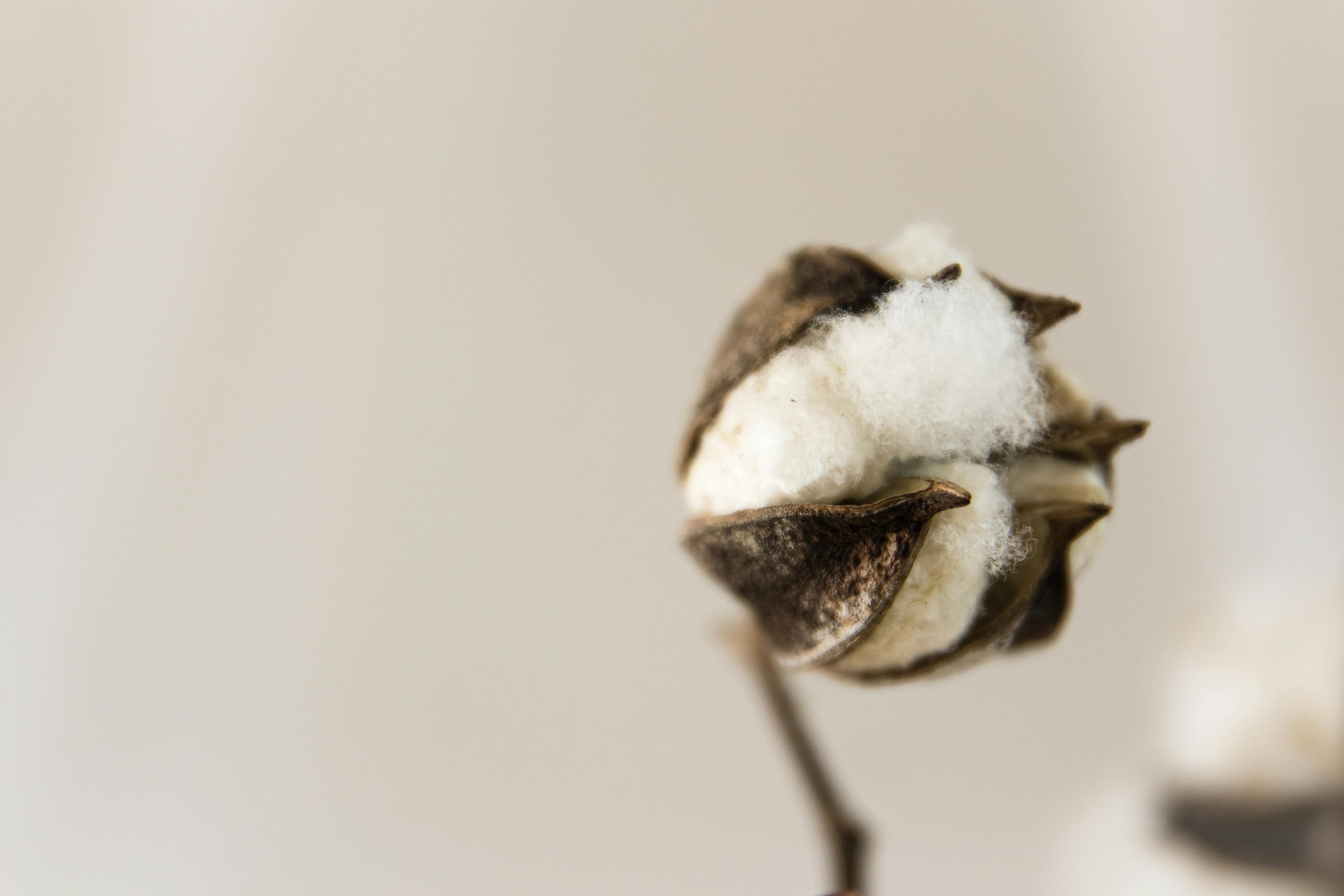
Grown with Care. Made with Conscience.
Go Organnic's sustainability story — from the organic cotton farm to your finished garment. Every step documented, every decision intentional.
What Does "Sustainable" Actually Mean at Go Organnic?
Sustainability isn't a label we put on our clothing to sell more — it's the entire reason we built this company. At Go Organnic, sustainable means: no synthetic pesticides on the cotton that goes on your skin, fair payment to farmers who can't afford to lose, safe working conditions for every artisan, and honest accounting of our environmental impact.
We are GOTS (Global Organic Textile Standard) certified — the world's leading standard for organic textiles, covering everything from farming practices to factory conditions to labeling. This certification is independently verified, not self-declared.
Organic cotton in all product lines — zero synthetic pesticides or herbicides
Globally certified organic textile standard — independently verified
Harmful chemical dyes — we prioritize low-impact colouring wherever possible
Years of continuous investment in ethical manufacturing infrastructure
How Is Go Organnic's Cotton Made?
Go Organnic traces every garment through five clearly documented stages — because transparency isn't optional, it's the product.
Organic Farm
Our cotton is grown by certified organic farmers who do not use synthetic pesticides, herbicides, or GMO seeds. Farmers receive fair market prices, protecting them from price shocks that affect conventional cotton farmers. GOTS certification covers farming practices from the ground up.
Ginning & Spinning
Raw organic cotton is ginned to separate fibre from seed, then spun into yarn at GOTS-certified facilities. Each step is documented with batch numbers to maintain full traceability. No synthetic softeners or finishes are introduced at this stage.
Weaving & Dyeing
Yarn is woven or knitted into fabric. Where colour is applied, we use low-impact, GOTS-approved dyes that meet strict restrictions on azo dyes, heavy metals, and formaldehyde. Wastewater is treated before discharge. Undyed natural fabric is preferred wherever design permits.
Cutting & Manufacturing
Fabric arrives at our GIDC 3rd Phase factory in Umbergaon. Our skilled artisans cut, sew, and finish every garment under safe conditions — proper ventilation, reasonable hours, and wages that meet or exceed the statutory minimum. Quality is checked at each production stage, not just at the end.
Quality Control & Dispatch
Every finished garment goes through a final QC inspection — checking stitching, measurements, labeling, and fabric integrity. Only passing garments are packed. We label honestly: the fabric composition, care instructions, and GOTS certification details are all clearly stated on every product.
Our Certifications & Standards
Named certifications are what let buyers and consumers verify our sustainability claims independently — not just take our word for it.
GOTS Certified
The Global Organic Textile Standard is the world's leading processing standard for organic fibres. It covers the entire textile supply chain including ecological and social criteria. Our 2024 certificate is publicly available.
100% Organic Cotton
All our cotton is organically grown without synthetic pesticides or GMO seeds, certified to organic farming standards from the root of the supply chain. We do not blend conventional and organic cotton in our certified lines.
Ethical Labour Practices
We follow ethical manufacturing practices aligned with ILO conventions: no child labour, no forced labour, fair wages, safe working environments, and workers' right to organize. These are verified as part of our GOTS certification.
Our Environmental Manufacturing Practices
Water Stewardship
Our dyeing and washing processes use GOTS-compliant wastewater treatment. We actively minimize water consumption per garment and monitor discharge quality to protect local waterways near our Umbergaon facility.
Zero Waste Ambition
Fabric offcuts from production are collected and repurposed or recycled rather than sent to landfill. We're working toward fully closed-loop production processes as our capacity grows.
Chemical Management
We adhere to the GOTS restricted substance list (RSL), which prohibits a wide range of toxic auxiliaries. No formaldehyde-releasing agents, azo dyes that may release carcinogenic amines, or heavy metals in our processing.
Fair Farmer Partnership
Organic farming is harder than conventional farming. Yields are lower. Certification costs money. We pay fair prices that reflect this reality — not the lowest possible commodity price — so organic farming remains economically viable for the families who do it.
Choose Clothing That Doesn't Cost the Earth
Whether you're sourcing for a brand or shopping for yourself, every purchase from Go Organnic supports ethical farming and manufacturing.